Tyre Industry News: Michelin, Apollo, Goodyear Updates
From Michelin's Le Mans spotlight to Apollo's global push and Goodyear controversies — here's what the tyre world is talking about today.
Michelin in the Spotlight: Motorsport Meets the Masses
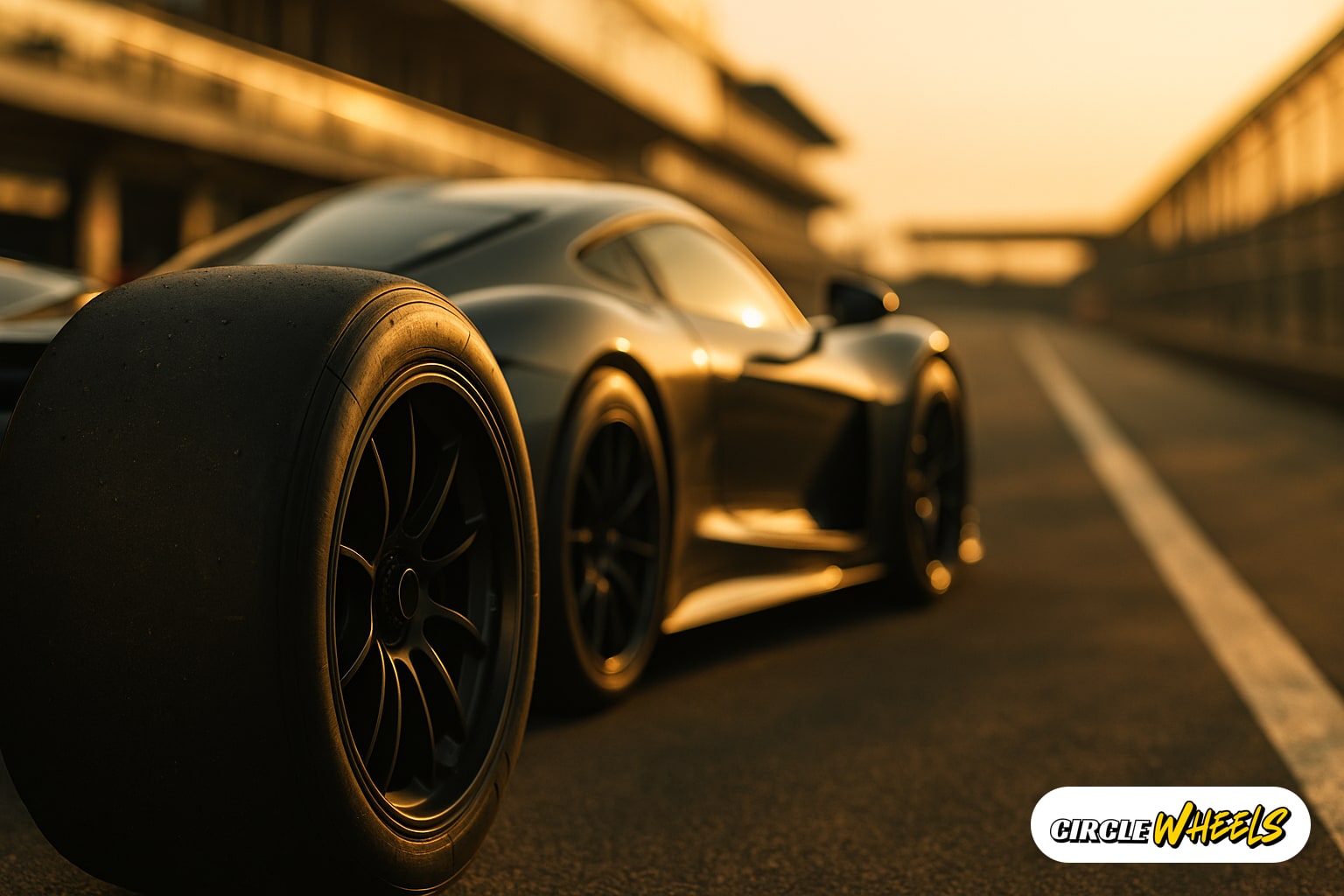
Actor and motorsport enthusiast Ajith Kumar is set to race in the Michelin Le Mans Cup, drawing massive attention across South Asia. Tamil Nadu's Chief Minister Vijay is reportedly planning to attend, turning this into a cultural moment as much as a motorsport one.
Why does this matter for Pakistani drivers? Michelin uses top-level racing to test and develop the very compounds that eventually appear in consumer tyres. Every lap driven under extreme conditions feeds data back into road tyre R&D. When you see a Michelin tyre on a shelf, its durability and grip characteristics have partly been shaped by events like this. If you're considering Michelin for your vehicle, check out the Michelin range on CircleWheels to see what's available for your car.
Apollo Tyres Eyes the World Stage
Apollo Tyres is actively expanding its global brand footprint. The Indian manufacturer — already a familiar name in Pakistan — is investing in international marketing and positioning itself as a premium competitor, not just a value option.
For Pakistani drivers, this is worth tracking. Apollo tyres are widely available across Karachi, Lahore, and Islamabad, and they're a popular choice for both passenger cars and SUVs navigating everything from motorway cruising to potholed inner-city roads. A stronger global brand typically means more investment in product quality, wider tread options, and better after-sales support. If Apollo continues climbing the global ladder, Pakistani consumers stand to benefit from improved product lines reaching our market. Browse available tyre brands to compare Apollo against other options before your next purchase.
Goodyear Under Pressure: The Whistleblower Story
A New York-based engineer was reportedly fired after raising concerns about pollution data linked to Goodyear. The details of what data was exposed and what it relates to are still emerging, but the situation highlights an important industry theme: environmental accountability in tyre manufacturing.
This story carries a broader message for Pakistani consumers. Tyre production is a resource-heavy process. As buyers, we rarely think about what went into making the rubber on our rims. Globally, regulators are pushing manufacturers harder on emissions and waste from factories. Pakistan's own industrial zones — including tyre retreading and manufacturing operations — operate with varying levels of environmental oversight. Stories like this one, wherever they originate, push the needle toward cleaner practices industry-wide.
It also serves as a reminder to buy from reputable brands with transparent supply chains. Cheap, unbranded tyres often come from facilities with zero accountability.
Goodyear's Financial Health: Should You Worry?
Separately, financial analysts have raised questions about Goodyear Tire & Rubber's debt levels and cash flow. Without repeating specific financial claims we can't verify independently, the broader concern is this: when a major global tyre manufacturer faces financial headwinds, it can affect production capacity, regional supply chains, and pricing.
Pakistan imports a significant portion of its tyre supply. Global brand financial stress — whether at Goodyear, Bridgestone, or any other major player — can trickle down to availability and cost in markets like ours. We saw hints of this during the recent import restriction period, when certain brands became harder to source locally. Keeping an eye on the financial health of major tyre makers is not just a stock market exercise — it has real-world consequences for what ends up on our forecourt shelves.
If you're shopping now, it's always smart to check current availability on CircleWheels and not wait too long if you find the tyre that fits your vehicle and budget.
What the Michelin Le Mans Cup Tells Us About Tyre Technology
The Michelin Le Mans Cup isn't just a celebrity racing event — it's a proving ground. Endurance racing in particular stresses tyres in ways that normal road testing cannot replicate. Heat cycles, sustained high-speed loads, and rapid temperature changes across day-night racing stints push rubber compounds to their limits.
For Pakistani roads, this matters more than you might think. Karachi summers regularly push asphalt surface temperatures well above 60°C. Lahore's motorway sees heavy long-haul traffic that generates sustained heat in tyres. The thermal resilience that Michelin engineers chase on the Le Mans circuit directly informs how their tyres behave on the M2 at noon in July. Motorsport R&D is not a vanity project — it's where the science that protects your family gets proven under fire.
Quick Takeaway for Pakistani Drivers
This week's news points in one clear direction: the global tyre industry is being shaped by performance technology, brand ambition, environmental scrutiny, and financial pressure — all at the same time. As a Pakistani driver dealing with monsoon-softened roads in August and sun-cracked asphalt in May, your best move is to stick with established brands that invest in real R&D, buy from verified sellers, and replace tyres before they become a safety risk rather than after.