Tyre Industry News: Oil Prices, Goodyear Updates June 2025
Today's tyre industry roundup: falling oil prices, Goodyear tyre news, and what it all means for Pakistani drivers in 2025.
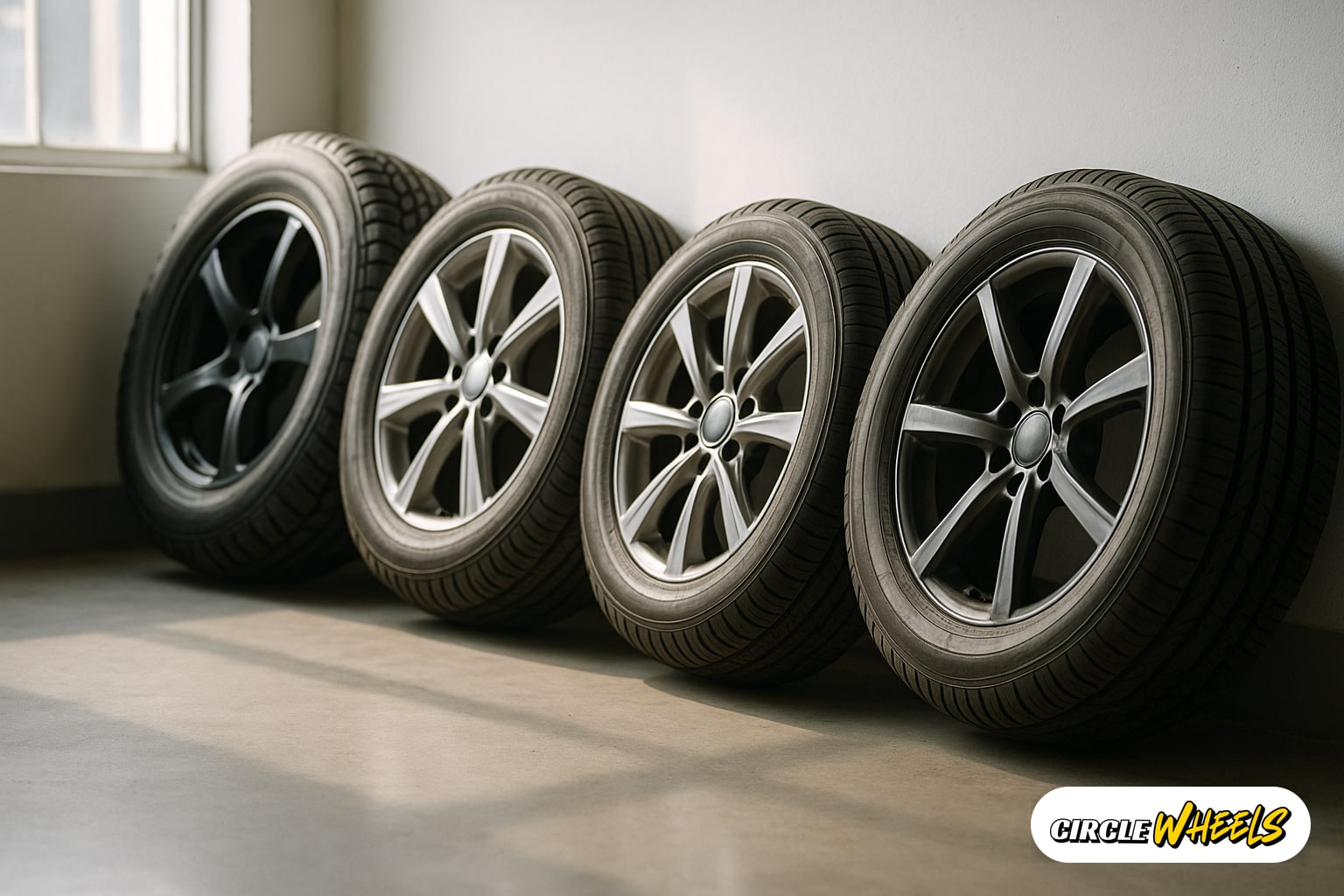
Oil Prices Drop — Pakistani Drivers Should Pay Attention
Reports from Indian financial markets this week highlighted something significant: shares in tyre manufacturers like JK Tyre jumped sharply as hopes of a US-Iran peace deal pushed crude oil prices lower. This matters far beyond India's stock exchanges.
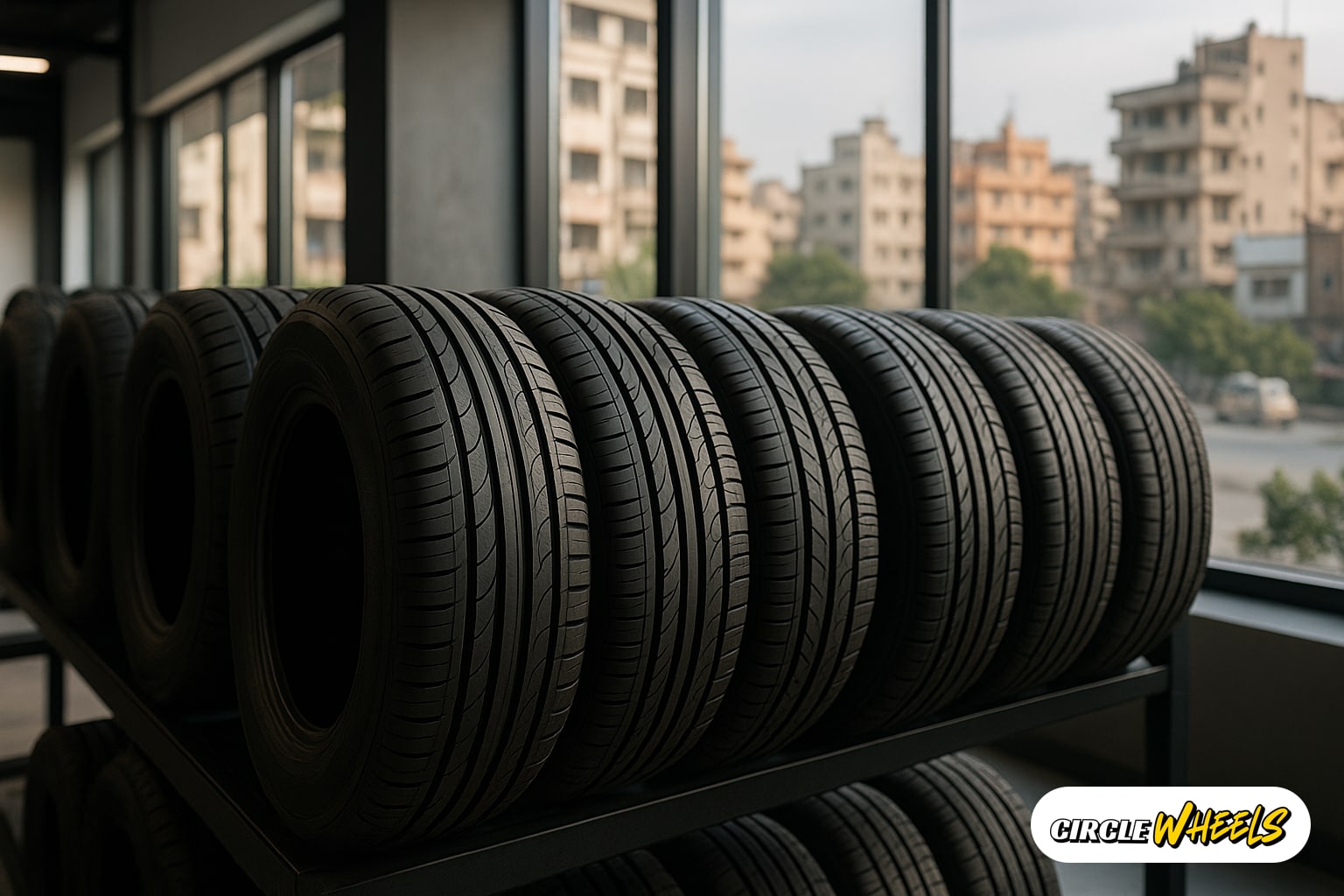
Crude oil is the raw material behind synthetic rubber, carbon black, and most of the chemical compounds that go into every tyre you buy. When oil prices fall, input costs for tyre manufacturers ease. Historically, sustained drops in crude eventually work their way into tyre pricing — though it takes time, and Pakistani consumers also have to factor in rupee fluctuations and import duties.
For now, watch this space. If oil stays low over the coming weeks, there is a reasonable case that tyre prices in Pakistan could stabilise or soften. Karachi, Lahore, and Islamabad dealerships tend to reprice inventory on a rolling basis, so the effect may show up sooner than you expect. Keep checking the latest listings on CircleWheels to spot any price movements before your next purchase.
Goodyear's Workhorse HT — What It Signals for the Brand
An industry listing this week spotlighted the Goodyear Wrangler Workhorse HT in the LT265/70R17 E specification — a load-range E, highway-terrain tyre aimed squarely at trucks and SUVs that carry heavy loads.
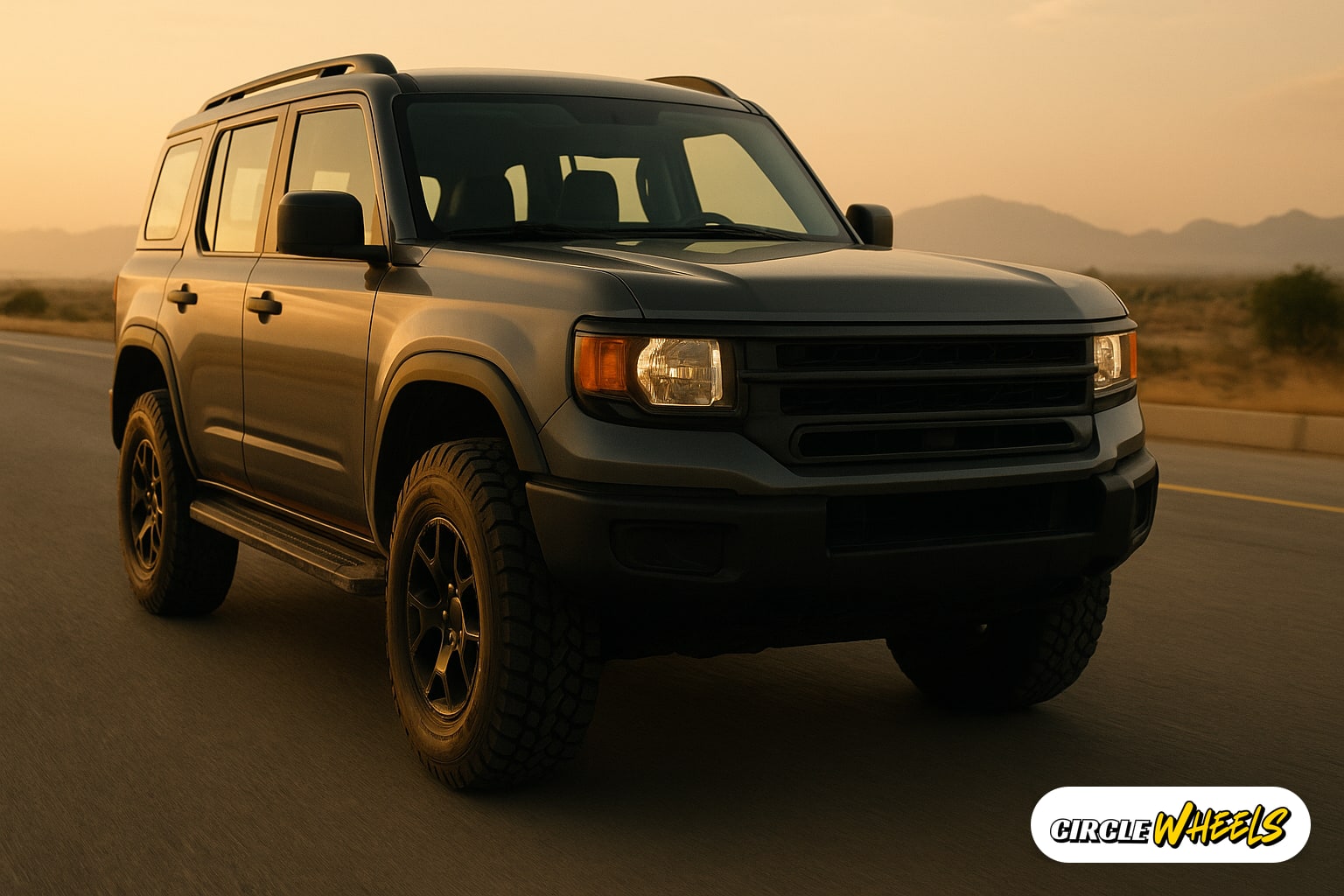
Why does this matter in Pakistan? A huge portion of daily vehicles on Pakistani roads are Toyota Land Cruisers, Hilux pickups, Isuzu D-Maxes, and overloaded Suzuki Carries. Load rating is one of the most under-discussed tyre specs in this market. Running a tyre with an insufficient load index on a vehicle that regularly carries weight — on the broken roads of interior Sindh or the mountain passes near Gilgit — is a serious safety risk.
The Wrangler Workhorse HT is not a new tyre, but its continued visibility in trade listings confirms Goodyear is actively maintaining its light-truck lineup. If you run a pickup or a heavy SUV, load range and ply rating deserve as much attention as brand name. Browse the Goodyear brand page on CircleWheels to see which sizes and variants are currently available in Pakistan.
Michelin's Name Keeps Travelling — Even When It Has Nothing to Do with Tyres
Two separate news items this week mentioned Michelin — one about the Florida Keys food scene potentially receiving Michelin Guide recognition, another about Spain's Huelva region being flagged as a hidden gastronomic gem by the same guide.
These stories have zero direct connection to rubber or roads. But they are a useful reminder of something Pakistani tyre buyers sometimes overlook: Michelin is one of the oldest and most globally recognised brands in the world precisely because it built its reputation on more than just a product. The Michelin Guide started as a way to encourage French motorists to drive more — and therefore wear out more tyres. Marketing and brand building have always been central to the company's DNA.
For Pakistani drivers, this brand heritage translates into one practical point: when you see the Michelin name on a tyre, you are buying into decades of engineering investment and global quality standards. That does not automatically make it the right tyre for every budget or every road condition, but it does mean the brand's consistency is well-documented. Pakistan's roads — from the monsoon-flooded streets of Lahore in July to the scorching tarmac of the Karachi-Hyderabad Motorway in May — demand tyres that are engineered with real data behind them.
Road Infrastructure News — A Reminder of Why Tyre Choice Is Local
A headline from Arizona this week covered the start of a highway extension project in a city called Goodyear — named after the tyre company, fittingly enough. While this is purely a US infrastructure story, it triggered a thought worth sharing with Pakistani drivers.
Pakistan is in the middle of its own infrastructure expansion. The Sukkur-Hyderabad Motorway, various CPEC corridor upgrades, and urban expressway projects in Lahore and Islamabad are changing how Pakistani vehicles actually perform. New smooth motorway surfaces favour lower rolling-resistance tyres that save fuel. But the moment you exit onto a secondary road — and in Pakistan, that moment comes fast — you need a tyre with proper sidewall strength and puncture resistance.
This is the dual-demand problem most Pakistani drivers face: motorway comfort versus pothole survival. No single tyre solves both perfectly, but understanding your primary driving environment helps you choose intelligently. If 70% of your driving is city and secondary roads, prioritise durability and sidewall robustness. If you are a motorway commuter between major cities, fuel efficiency and ride comfort become more relevant.
The Crude-to-Tyre Pipeline: A Quick Explainer
Since oil prices dominated the industry chatter this week, here is a brief breakdown of why crude matters to your tyre bill:
- Synthetic rubber — derived from petroleum-based butadiene — makes up a significant portion of most modern tyres.
- Carbon black, the compound that gives tyres their colour and adds strength, is also a petroleum derivative.
- Processing oils used during tyre manufacturing are crude-linked.
When crude oil prices rise sharply, manufacturers absorb the cost for a while, then pass it on. When prices fall, the pass-through is slower — but it does happen. Pakistan imports a substantial portion of its tyre supply, so exchange rate movements add another layer. A falling rupee can cancel out the benefit of cheaper crude entirely.
The takeaway: monitor both oil prices and the PKR-USD rate if you are planning a tyre purchase in the next few months. Timing your buy during a period when both factors are favourable can make a real difference to what you pay.
Check current tyre availability and compare options across brands at CircleWheels — Pakistan's most complete tyre marketplace.