Tyre Industry News: Wanli, Michelin & Continental Make Moves
From a billion-dollar plant in Malaysia to Michelin's latest acquisition, here's today's global tyre industry news and what it means for Pakistani drivers.
Big Money Moves in the Tyre World
The global tyre industry rarely sits still. This week brought a flurry of announcements — new factories, corporate acquisitions, and growing investment in Asian markets. Here's what happened and why Pakistani drivers should pay attention.
Wanli Tire's Massive Malaysian Factory
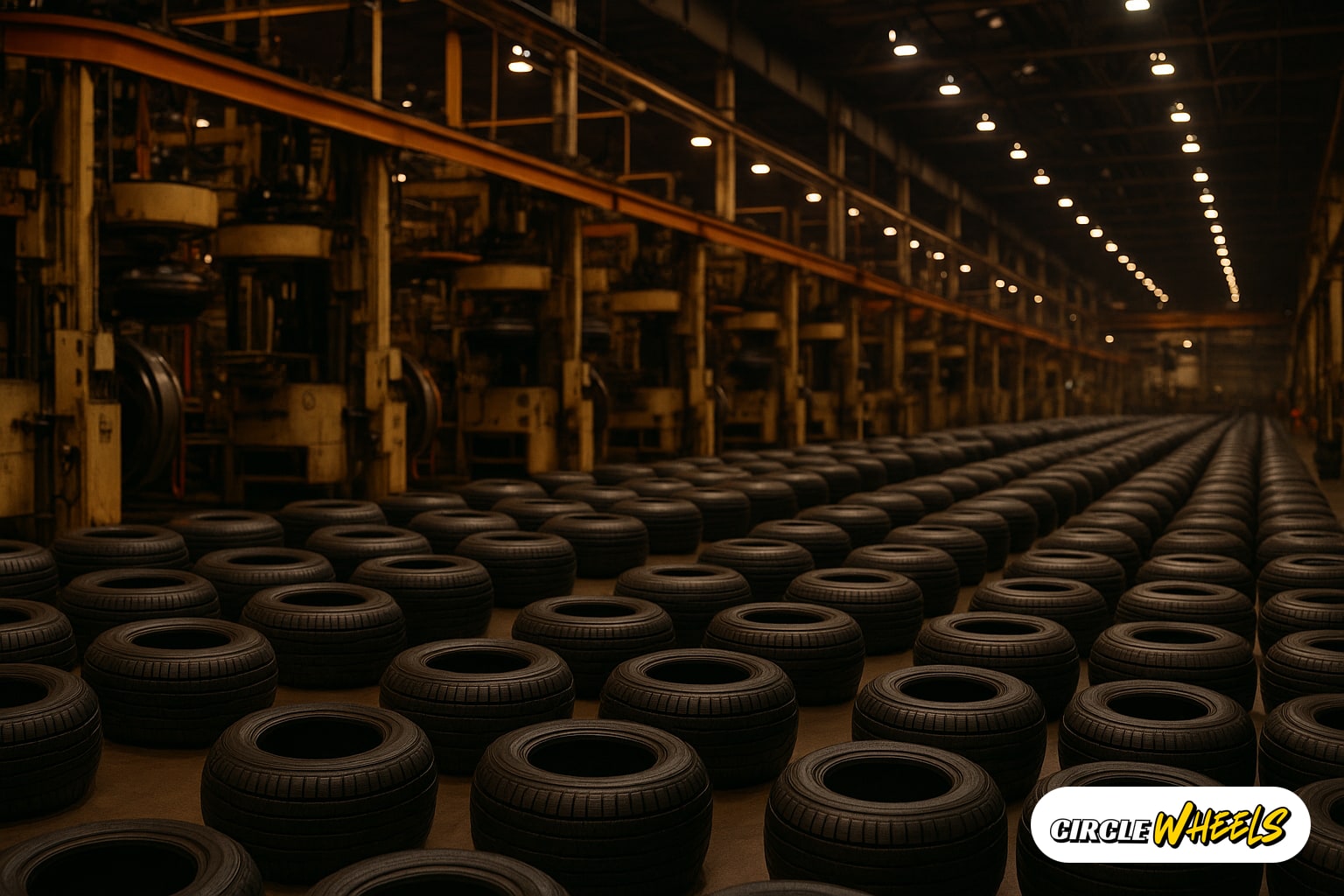
China's Wanli Tire has partnered with Malaysia's Berjaya Property to build a new manufacturing plant in Selangor. The investment is reported at over RM1.37 billion, with plans to create around 1,350 local jobs.
This is a significant step for Wanli, which is among the Chinese tyre brands already available in Pakistan's market. Building a plant closer to South and Southeast Asia could affect supply chains across the region over time. For Pakistani buyers, a stronger regional manufacturing base could eventually mean more consistent availability and potentially faster import timelines — though it is too early to draw firm conclusions on pricing.
What's worth watching: Wanli has been competing in the value segment globally. A dedicated production facility outside China could signal the brand's push toward higher volumes and broader market credibility. If you're already considering Wanli tyres, explore options on CircleWheels to compare available brands before making a call.
Michelin Quietly Expands Its Portfolio
Tex Tech Industries, a specialist in technical fabrics used in tyre manufacturing, has officially become part of Michelin. The acquisition went through with relatively little fanfare, but it tells you something important about how Michelin thinks.
Michelin has long invested in controlling more of its supply chain. Tyre cords and reinforcement fabrics are critical to performance and durability — especially for high-load and high-speed applications. By bringing Tex Tech in-house, Michelin gains tighter control over a key raw material input.
For Pakistani drivers who buy Michelin tyres — particularly those running SUVs or vehicles on long motorway routes between Lahore, Islamabad, and Karachi — this kind of vertical integration is generally good news. It suggests Michelin is doubling down on quality consistency rather than outsourcing critical components. That matters when roads vary between a smooth motorway stretch and a broken urban street in the same journey.
Continental Eyes South Asia's Growth
German tyre giant Continental has been vocal about viewing India as a major growth market. A recent feature in EVO India highlighted the brand's commitment to expanding its footprint on the subcontinent.
This matters for Pakistan too, even if indirectly. When global tyre brands invest heavily in South Asian infrastructure — be it distribution, warehousing, or local partnerships — it often improves availability for neighbouring markets as well. Continental already has a presence in Pakistan's premium tyre segment. Greater regional investment could mean more consistent stock and a wider range of fitments becoming accessible here.
Pakistan's roads demand a lot from tyres. Summer temperatures in Sindh push asphalt surface temps extremely high. Monsoon season in Lahore and Karachi creates wet, slippery conditions. The Karakoram Highway demands completely different tyre characteristics. Continental's UltraContact and other lines are designed with varied road conditions in mind — and that regional relevance is only growing.
Why Southeast Asian Tyre Investment Matters to Pakistan
Three of today's top stories connect to the same theme: Asian tyre manufacturing is scaling up fast. Malaysia and India are both attracting serious capital investment from global and Chinese tyre companies.
Pakistan sits at the intersection of these supply chains. Much of what Pakistanis drive on — from budget Chinese tyres on rickshaws and small hatchbacks to mid-range options on Corollas and BRVs — moves through regional trade networks. When manufacturing capacity grows in Malaysia or India, it can reduce lead times and stabilise supply for importers operating in Pakistan.
There's also a competitive pressure angle. When Chinese brands like Wanli invest in new, modern plants, they are also signalling an intent to compete on quality, not just price. That raises the bar for all brands in the value segment — which is exactly where most Pakistani tyre buyers are shopping.
What the Michelin-Tex Tech Deal Tells Us About Tyre Tech
It's easy to think of tyre news as abstract corporate activity. But the Tex Tech acquisition is a reminder that tyres are precision-engineered products. The fabric inside a tyre — the reinforcement layers — directly affects how it handles heat, load, and road impact.
For drivers in Karachi dealing with urban heat, or truckers running overloaded on GT Road, tyre construction quality is not a small thing. Brands investing in their materials supply chain are investing in the product you actually put on your car.
If you're unsure which tyre suits your vehicle and driving conditions, the CircleWheels car-based search tool lets you filter by vehicle to find compatible options from multiple brands.
A Useful Takeaway
This week's news is a reminder that the tyre you buy is shaped by decisions made in boardrooms in Clermont-Ferrand, Shenzhen, and Selangor. Regional manufacturing growth, corporate acquisitions, and South Asian expansion plans all flow downstream into what ends up on Pakistani shelves. Staying aware of these shifts helps you understand why availability changes, why certain brands are gaining ground, and where quality investments are actually being made.