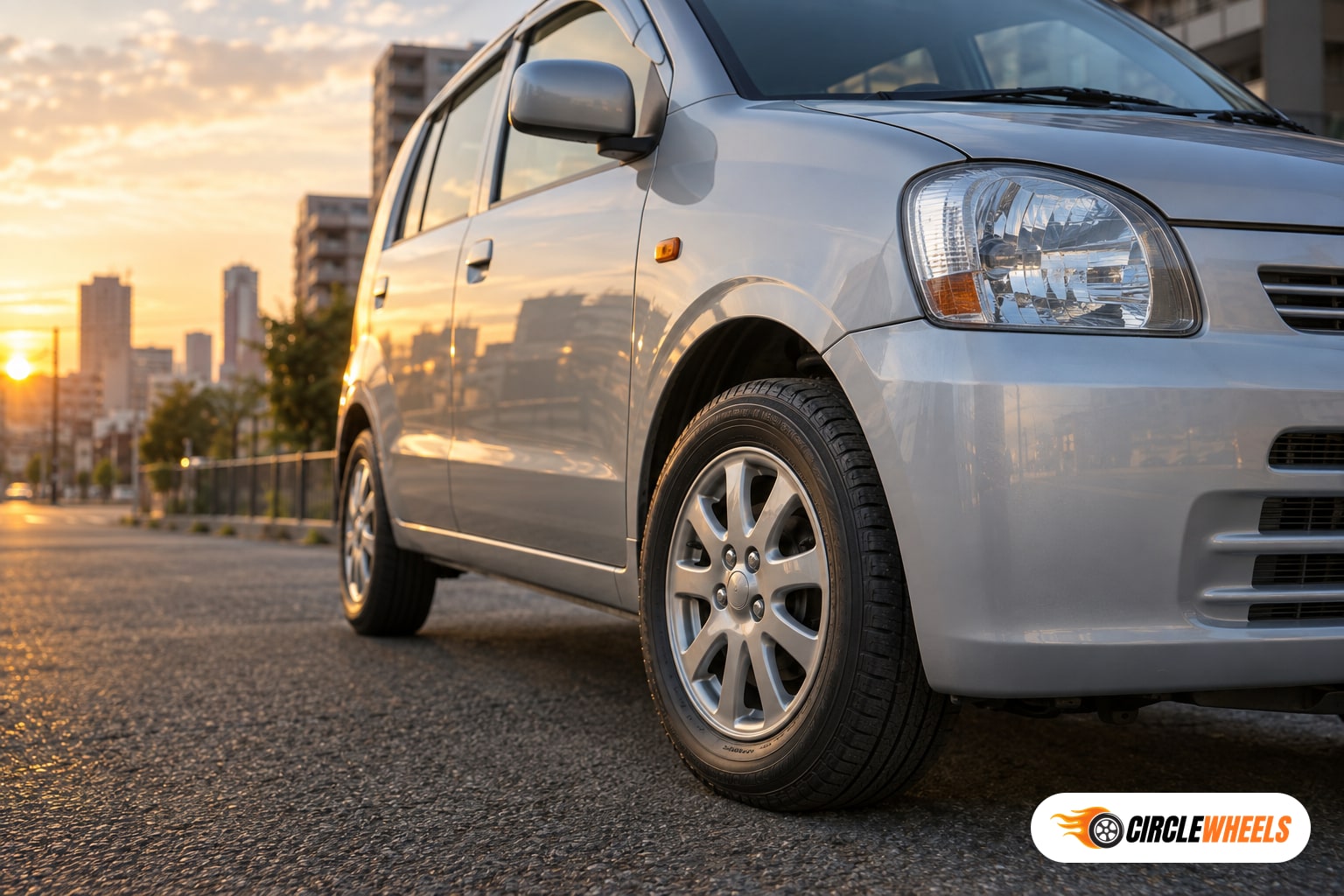
Giti China 165/65/13 Tyre Spotlight: Small Car Fitment Guide
A closer look at the Giti China 165/65/13 tyre at Shaharyar Traders, Faisal Town Lahore — who it suits, fitment tips, rotation basics and where to check it.
Why 165/65/13 is such a common size in Pakistan
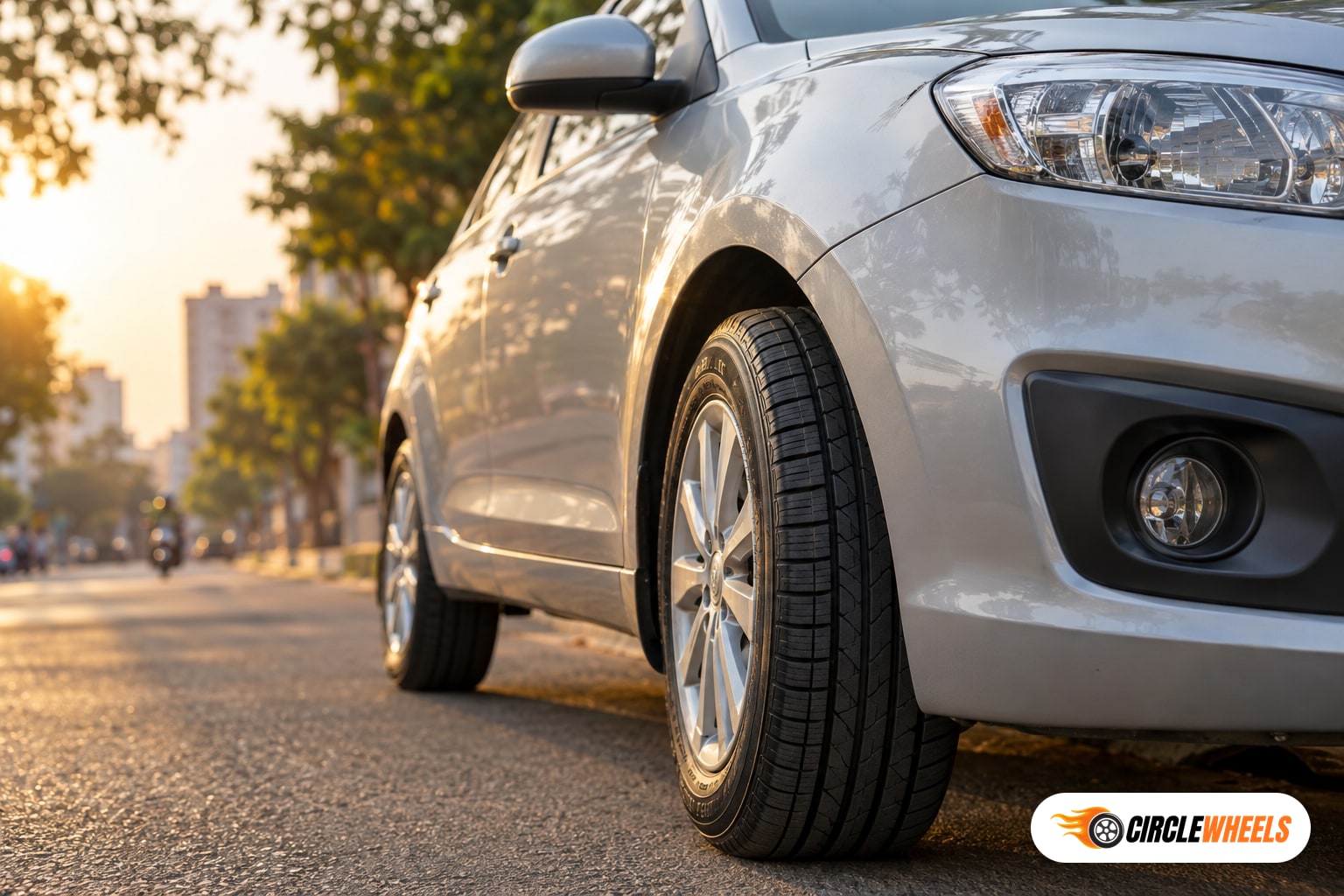
Walk into almost any tyre shop in Lahore, Karachi or Rawalpindi and ask for a 13-inch tyre. You will hear the same sizes repeated again and again, and 165/65/13 is near the top of that list. The reason is simple: Pakistan's roads are full of small hatchbacks and city cars, and a lot of them roll on 13-inch wheels from the factory.
This size is a middle ground. It is narrow enough to keep steering light and rolling resistance low, and tall enough in the sidewall to soak up the broken patches, speed breakers and unmarked bumps that show up on almost every street. On a 13-inch rim, a 65 aspect ratio sidewall gives you a bit of cushion. That cushion matters more here than it does in countries with smooth motorway-grade city roads.
If your car came with 165/65/13 from the factory, staying with that size is usually the smartest move. Your speedometer stays accurate, your suspension geometry stays as designed, and there is no rubbing at full steering lock.
What kind of car and driving this suits
The Giti China 165/65/13 is aimed at the everyday small-car owner. Think of the daily commute: home to office, school run, a trip to the market, weekend visits across town. Mostly city speeds, plenty of stop-and-go, occasional motorway runs.
This kind of driving puts a specific set of demands on a tyre:
- Frequent braking and cornering at low speed
- Long hours parked in direct sun during Punjab and Sindh summers
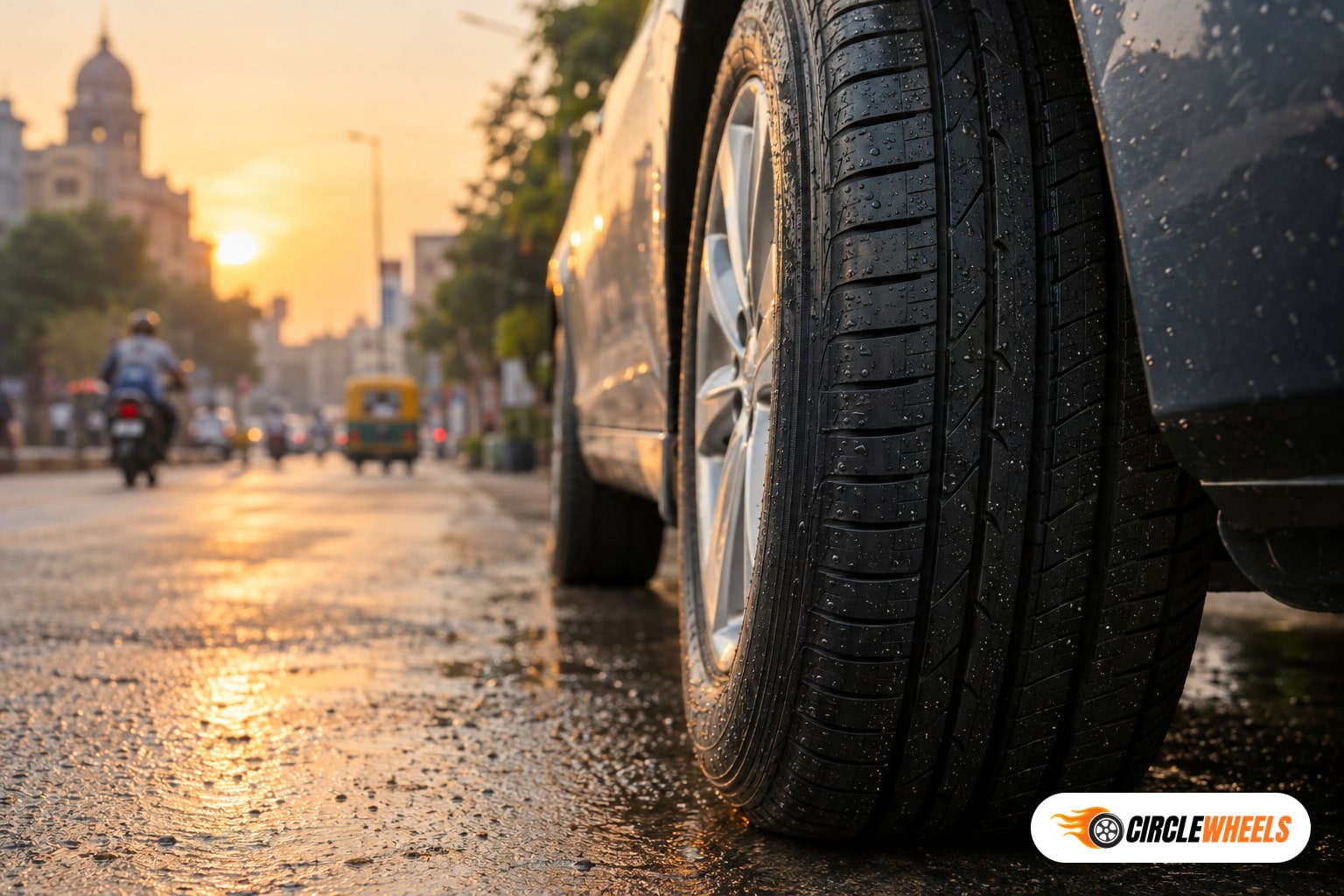
- Standing water and slick roads during monsoon
- Kerb contact while parking in tight spots
A 13-inch tyre in this size is built for that world, not for track days. If you drive a small hatchback and spend most of your time inside city limits, this is the size and category that fits your life.
You can see the current listing details for the Giti China (165/65/13) at Shaharyar Traders, Faisal Town Lahore on CircleWheels, including the vendor's contact and whatever pricing is live at the moment. We do not quote prices in articles because they move — always check the listing.
What to expect from Giti as a brand
Giti is a tyre brand with a global manufacturing footprint and a long presence in the passenger car segment. In Pakistan, Giti tyres show up regularly in the small and mid-size car space, and the China-sourced variants are a familiar sight on shop racks.
Here is the honest way to think about any brand in this segment: you are buying a known-name tyre for a daily-driver car, not a specialist performance product. What you should reasonably expect is consistent manufacturing, a proper tread pattern with water channels, and availability of common sizes when you need a replacement. That last point matters more than people realise. A tyre you can actually find again in your size, in your city, saves you a headache two years from now.
When you buy, check the DOT code on the sidewall. It is a four-digit stamp — the first two digits are the week, the last two are the year of manufacture. Fresher is better, because rubber ages whether you drive on it or not. In Pakistan's heat, age matters.
Fitment tips before you buy
Confirm the size on your existing tyre first. Look at the sidewall. You want the numbers to read 165/65 R13. If your car is running something different, ask why before you switch.
Buy in pairs at minimum. If you can only replace two, put the new tyres on the rear axle. This is counterintuitive for front-wheel-drive cars, but the rear needs grip to stay stable in a wet corner. Ask the fitter to do it this way.
Insist on balancing. New tyres must be balanced. Skipping it gives you vibration in the steering wheel above 60 km/h and uneven wear within months.
Get your alignment checked. If your car pulls to one side or your old tyres wore unevenly on one edge, the problem is alignment, not the tyre. Fit new rubber on a misaligned car and you will chew through it.
Replace the valve stems. They are cheap, they perish over time, and a leaking valve is a common cause of slow air loss.
Check the spare. While the car is up, look at the spare tyre. Most people discover their spare is flat only when they need it on Multan Road at night.
Rotation and maintenance basics
A 165/65/13 tyre will last far longer with a little routine attention.
Pressure, every two weeks. Check when the tyres are cold, before you drive. Use the pressure listed on the sticker inside your driver's door frame or in the owner's manual — not the number on the tyre sidewall, which is a maximum, not a recommendation. Underinflation is the single biggest killer of tyres in our climate, because low pressure plus 45°C asphalt builds dangerous heat.
Rotate around every 8,000 to 10,000 km. On a front-wheel-drive hatchback, the front tyres do the steering, most of the braking and all of the pulling. They wear faster. Rotating evens this out and stretches the life of the full set.
Look before monsoon. Run a quick check on tread depth before the rains arrive. Worn tread cannot clear water, and hydroplaning on a flooded Lahore underpass is not a situation you want to learn about first-hand. Most tyres have wear indicator bars moulded into the grooves — when the tread is level with those bars, the tyre is finished.
Watch for sidewall damage. Kerb strikes, bulges and cracks are reasons to replace immediately, regardless of tread left.
If you are comparing options in this size, browse other tyres and vendors on CircleWheels to see what is stocked near you before you commit.
The practical takeaway
If your hatchback runs 165/65/13, stick with the size, buy the freshest date code you can find, and spend the extra few hundred rupees on balancing and alignment. Those two steps do more for tyre life than almost anything else. Check the Shaharyar Traders listing in Faisal Town for current availability and pricing before you head out.