Tyre Industry News: Goodyear Debt Move, CEAT & Dakar Tyres
Today's tyre industry roundup covers Goodyear's billion-dollar refinancing, CEAT's factory model, and Dakar-spec tyres going on sale — here's what it means for you.
Goodyear Raises Over a Billion Dollars — What It Signals
Goodyear has launched a note issue targeting US$1.05 billion, with the goal of refinancing existing debt. On the surface, this is a Wall Street story. But it matters to Pakistani drivers too.
Goodyear is one of the most recognised tyre brands sold in Pakistan. When a global manufacturer carries heavy debt and needs to restructure, it can affect how aggressively the company invests in emerging markets, manages supply chains, and prices its products internationally. Import-dependent markets like Pakistan — where tyre prices are already sensitive to dollar exchange rates — feel these ripples downstream.
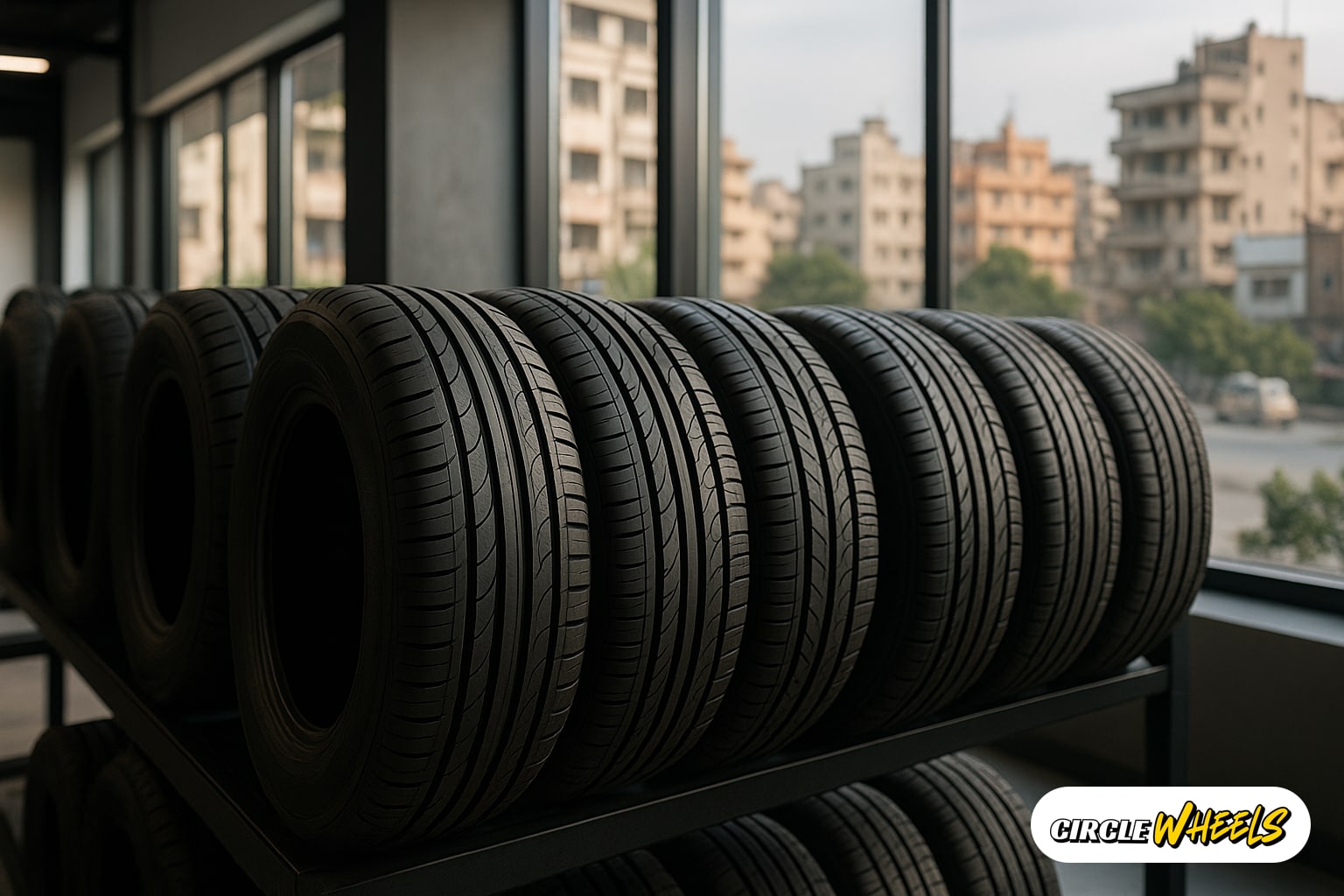
This move suggests Goodyear is actively managing its balance sheet rather than letting debt pile up. That is broadly a stable sign. For now, availability of Goodyear tyres in Pakistan should not be affected. But it is worth watching how the brand's global strategy evolves over the next year. You can browse available Goodyear options and other leading brands at CircleWheels to compare what is currently in stock locally.
CEAT's Factory Flexibility Model — A Lesson for the Region
CEAT, the Indian tyre giant with a growing presence in Pakistani retail, has been highlighted for how it manages workforce flexibility inside its manufacturing plants. The HR model reportedly allows the company to shift labour across production lines based on demand — keeping output efficient without excess downtime.
Why does this matter here? CEAT tyres are widely sold across Karachi, Lahore, and Islamabad. A manufacturer that runs a leaner, more adaptive factory is better positioned to respond to demand spikes — like the ones Pakistan sees every monsoon season when tyre failures spike on waterlogged roads, or ahead of Eid when long-distance travel picks up sharply.
Efficient production also tends to support more consistent supply. For Pakistani buyers who have experienced stock shortages on popular sizes, a manufacturer with flexible operations is a practical advantage, not just a business-school case study.
Dakar-Grade Tyres Enter Serial Production
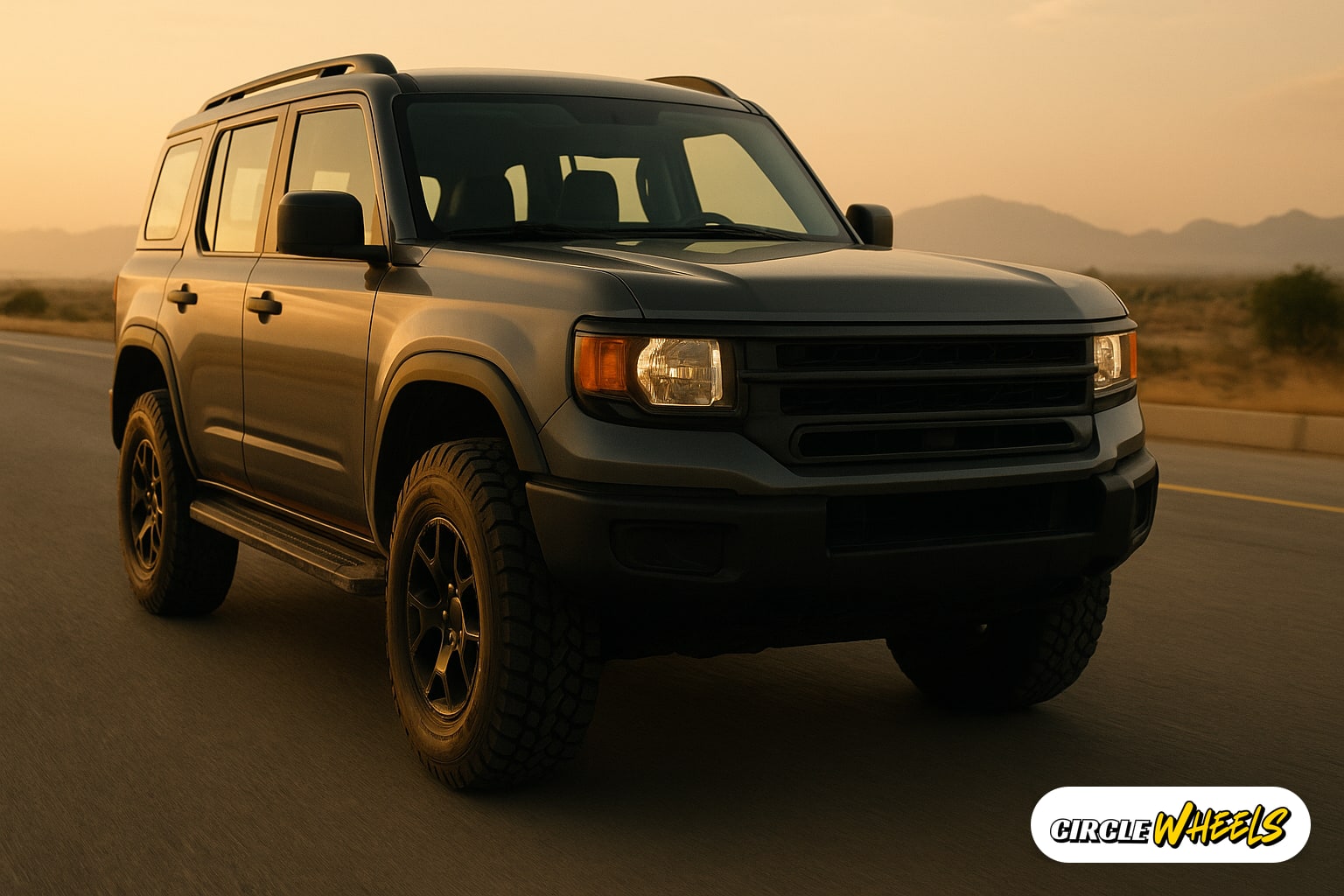
German company Loder has announced it is moving a tyre originally developed for Dakar Rally conditions into regular serial production. The Dakar Rally is one of the most punishing off-road motorsport events in the world — crossing deserts, rocky terrain, and unpredictable surfaces.
For most Pakistani commuters driving on Lahore's urban roads, this is not immediately relevant. But for drivers in Balochistan, Khyber Pakhtunkhwa, or anyone tackling the Karakoram Highway, the idea of rally-proven rubber being available commercially is genuinely interesting.
Pakistan has some of the most varied and demanding road surfaces in the world. A tyre built to survive Dakar-level abuse could handle the broken tarmac of rural Punjab or the loose gravel tracks of Gilgit-Baltistan with far more confidence than a standard passenger tyre. Details on pricing and distribution for international markets are not yet confirmed, but this is a product category worth tracking.
Michelin Headlines This Week — What Pakistani Buyers Should Note
Several Michelin-related stories appeared in global tyre news this week, though most relate to the company's restaurant guide business rather than its tyre division. The Michelin Guide awarded stars in Poland and featured chefs reflecting on identity and culture — none of this directly affects tyre shoppers.
However, it is a useful reminder of something Pakistani drivers sometimes overlook: Michelin is primarily a tyre company. The restaurant guide was originally created to encourage French motorists to drive more — and wear out their tyres faster. Today, Michelin remains one of the most technically advanced tyre manufacturers in the world.
Michelin tyres are available in Pakistan and are particularly well-regarded for long-distance highway performance — relevant for drivers doing Islamabad-to-Lahore runs or travelling through summer heat on the motorway network. If you are considering a premium tyre upgrade, checking your car's fitment on CircleWheels is a good starting point before comparing brands.
The Bigger Picture for Pakistani Tyre Buyers
This week's global tyre industry news points to a few consistent themes:
- Major brands are managing costs carefully. Goodyear's debt refinancing and CEAT's lean factory model both reflect an industry under financial pressure. For Pakistani consumers, this reinforces the value of buying from reputable, financially stable brands rather than unverified imports.
- Specialised tyres are becoming more accessible. Rally-bred technology entering consumer markets means drivers with tough routes — off-road, mountain passes, or flood-prone roads — may soon have better tyre options than before.
- Pakistan's road diversity demands tyre awareness. Whether you drive in monsoon-flooded streets of Karachi or on the rocky terrain near Quetta, the type of tyre you choose has real consequences for safety and tyre life.
The smartest thing any Pakistani driver can do right now is check their current tyres before the summer heat arrives. Tyre rubber degrades faster in extreme heat, and Pakistan's summers are long. If your tyres are over four years old or showing visible cracking, it is time to start comparing replacements.