Tyre Industry News: Michelin Regrooving, EU Labels & Brand Mix-Ups
Today's tyre industry news: Michelin's automated regrooving system, new tyres with top EU label ratings in Korea, and what it all means for Pakistani drivers.
Today's tyre industry news, read through a Pakistani lens
Global headlines rarely mention Lahore, Karachi or the Indus Highway. But the technology, labelling rules and brand decisions behind those headlines eventually reach our roads, our workshops and our tyre bills. Here is today's tyre industry news roundup, with plain analysis of why each story matters if you drive in Pakistan.
1. Michelin shows an automated tyre regrooving system
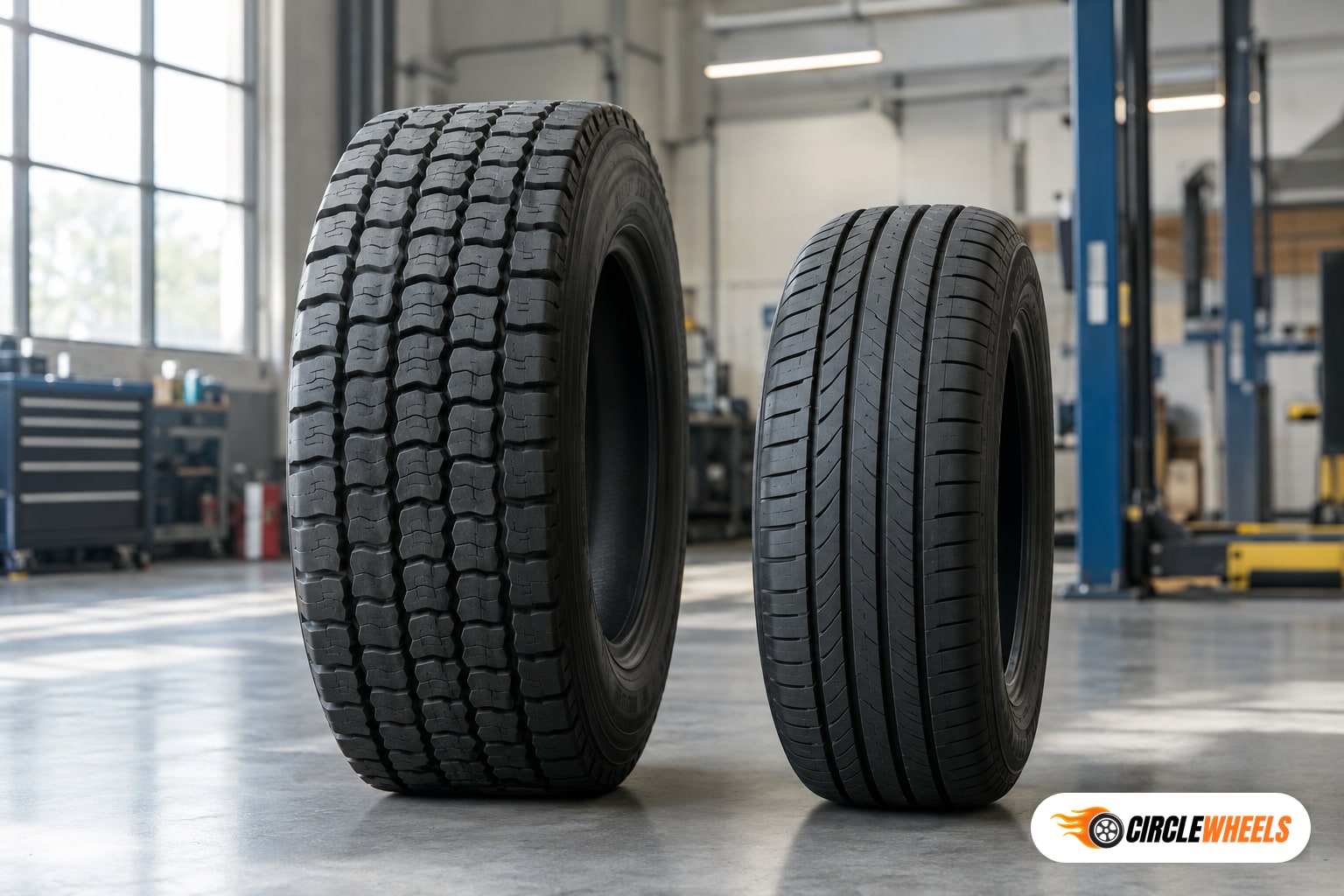
According to European Rubber Journal, Michelin has unveiled an automated system for regrooving tyres. Regrooving is a well-established practice in the truck and bus segment: when a suitable tyre's tread wears down, fresh grooves are cut into the remaining rubber to restore water drainage and grip before the casing is retreaded or retired. It is only done on tyres specifically built and marked for it, and it is skilled work.
That last part is the interesting bit. In Pakistan, regrooving and retreading already exist across commercial fleets, but quality swings wildly from one workshop to the next because so much depends on the hand holding the blade. Cut too deep and you expose the belts. Cut unevenly and you get vibration and irregular wear. Automation is essentially a consistency play: same depth, same pattern, same result on tyre number one and tyre number four hundred.
Why it matters here: most Pakistanis do not regroove their car tyres, and you should not. But you share the motorway with thousands of trucks and coaches that run regrooved or retreaded rubber. Anything that raises the floor on that work quality is good news for everyone in the fast lane. If you run a small fleet, the takeaway is simpler: only regroove tyres marked as regroovable, and only with a shop that measures rather than eyeballs.
2. Michelin launches two tyres in South Korea with top EU label ratings
A report from finance.biggo.com notes that Michelin has launched two tyres in South Korea that carry the top EU label ratings across all categories. To unpack that: the EU tyre label grades a tyre on three things — rolling resistance (linked to fuel consumption), wet grip (linked to braking distance in rain) and exterior noise. Hitting the top band on all of them is difficult, because those goals usually fight each other. Low rolling resistance often costs wet grip. Quiet tread patterns often cost bite.
So the story is really about how far compound and tread design have come. It also highlights something Pakistani buyers are missing: a standard label. Walk into a tyre shop in Rawalpindi or Multan and you will get brand names, load and speed ratings, and a shopkeeper's opinion. You rarely get a wet-grip grade you can compare side by side.
Why it matters here: you can still use label logic even without a label. Monsoon season on Karachi's flooded roads punishes tyres with poor wet performance more than anything else. When you shortlist tyres, ask specifically about wet braking and tread design for water evacuation, not just tread life. Compare across makers on our brands pages, and match the size and load rating to your specific vehicle on car so you are comparing like with like.
3. The Michelin Guide headlines — and why brand confusion costs shoppers money
Several of today's top "Michelin" results have nothing to do with rubber. Euronews covered the guide's best new hotels in the world. KRDO reported a Colorado Springs restaurant earning Colorado's first statewide Michelin pick. SummitDaily covered Breckenridge restaurants and a chef being recognised. The South China Morning Post profiled a Vietnamese chef turning family recipes into Michelin-starred menus.
It sounds like trivia, but there is a real lesson. A tyre company built a travel guide over a century ago to get people driving, and that guide is now so famous it dominates the brand's own search results. Brand equity is powerful — and in tyres, it is also easy to imitate.
Why it matters here: counterfeits and grey-market stock exist in every large tyre market, and a familiar name on a sidewall is not proof of anything. Check the DOT date code so you know the tyre's age. Check that the size, load index and speed rating match your car's requirement. Buy from sellers who will show you the full sidewall markings without hesitation. In tyre industry news, the loud brand is usually the most copied brand.
4. Goodyear in the headlines — for the wrong reason
KTAR and ABC15 Arizona reported that an Amazon employee died after collapsing at work in Goodyear. Goodyear here is a city in Arizona, not the tyre maker, and we will not speculate about anything beyond what was reported. Our sympathies to the family.
We include it for one practical reason: this is how misinformation starts. A headline scan turns "Goodyear, Arizona" into "Goodyear the company," a screenshot circulates on WhatsApp, and suddenly a tyre brand is attached to a story it has nothing to do with. Pakistani car groups on Facebook and WhatsApp move fast, and recall rumours or safety rumours spread faster than corrections.
Why it matters here: before you act on a tyre safety claim you saw shared in a group, look for the original source. Real recalls come with specific size, pattern and production-date details. Vague claims do not.
What to do with all this
Four different stories, one thread running through them: information quality. Automated regrooving is about consistent execution. EU labels are about comparable data. Brand confusion is about verification. Misread headlines are about sourcing.
Your version of that thread is smaller and more useful. Before your next purchase, write down three things: your exact tyre size from the sidewall or door jamb, the load index and speed rating your car needs, and your honest priority — wet grip for monsoon city driving, or durability for long summer runs on the M-2. Then shop against that list instead of against a shopkeeper's recommendation. That one habit will do more for your safety than any global headline.